June 01, 2026
Get to know: Donizetti's "Don Pasquale"
Don Pasquale is one of the most beloved comic operas of the 19th century, representing a late flowering of the Italian bel canto tradition. Composed by Gaetano Donizetti in 1842-1843, it stands as a masterful synthesis of elegance, wit, and emotional nuance. Premiered at the Théâtre-Italien in Paris in 1843, the opera quickly gained international popularity and remains a staple of the operatic repertoire today. It is often regarded as one of the last great examples of opera buffa, a genre that flourished in the 18th and early 19th centuries.
The premiere in Paris featured some of the most celebrated singers of the time, including the soprano Giulia Grisi and the baritone Antonio Tamburini. Their performances helped establish the opera’s success, and it soon spread to major opera houses across Europe.
The opera showcases Donizetti’s mature style, combining lyrical beauty with tight dramatic pacing. Its enduring appeal comes from its balance of comedic timing, memorable melodies, and relatable characters, making it accessible to both seasoned opera-goers and newcomers.
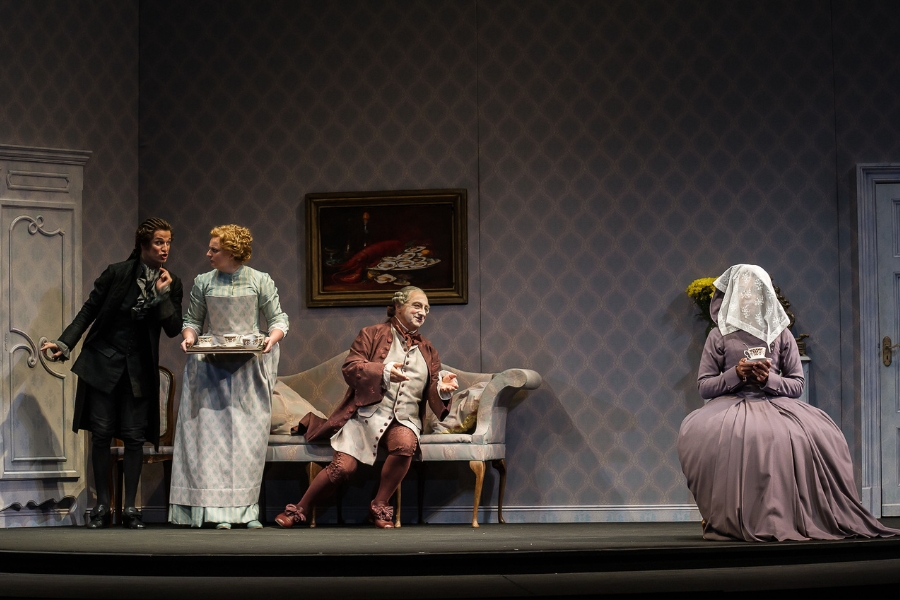
The opera is set in Rome and revolves around the elderly bachelor Don Pasquale, who wishes to punish his nephew, Ernesto, for refusing to marry a wealthy woman chosen for him. Ernesto is in love with the young widow Norina.
Determined to disinherit Ernesto, Don Pasquale decides to marry himself and produce an heir. In opposition, the cunning Doctor Malatesta, a friend, devises a scheme to trick him. Malatesta introduces Norina disguised as his demure sister, “Sofronia,” whom Don Pasquale hastily marries. Norina quickly transforms into a domineering and extravagant wife, spending lavishly and treating Don Pasquale with disdain. Her behavior drives him to despair, and he soon regrets his decision. Eventually, the deception is revealed, Don Pasquale relents, and he blesses the union of Ernesto and Norina.
These are classic comic conventions — disguise, trickery, and reversal of fortune — but Donizetti handles them with sophistication and warmth. Don Pasquale exemplifies the bel canto style, emphasizing beautiful singing, agility, and expressive phrasing. Donizetti’s score is filled with sparkling ensembles, lyrical arias, and lively patter passages. Don Pasquale himself is not merely a figure of ridicule; he is portrayed with a degree of sympathy, making the resolution more humane.
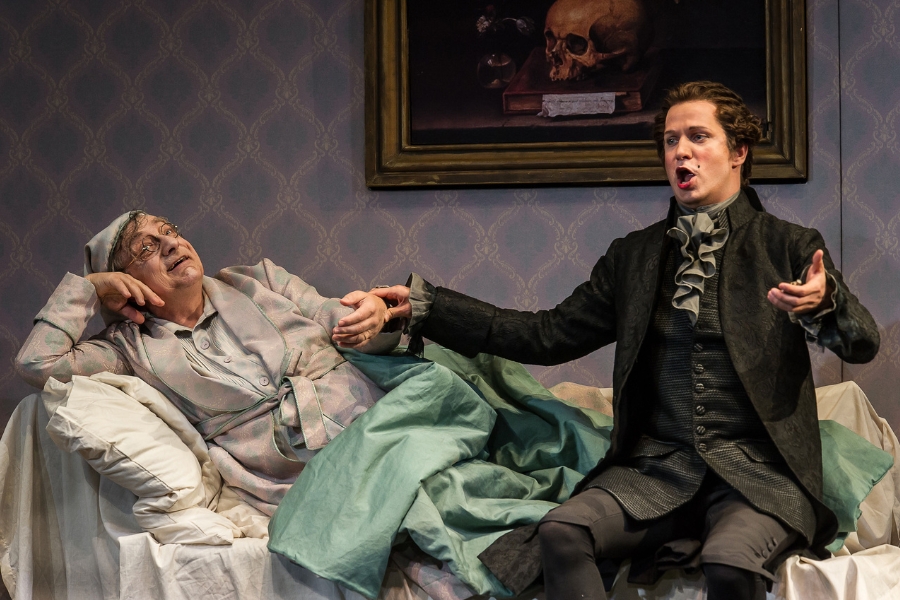
One of the work’s most famous arias occurs at Norina’s entrance — “Quel guardo il cavaliere,” which showcases her wit and charm through playful melodic lines and virtuosic ornamentation. Ernesto’s arias, such as “Com’è gentil,” offer moments of lyrical tenderness, highlighting Donizetti’s gift for melody. The Act III duet between Don Pasquale and Norina is a brilliant display of comic timing and rhythmic precision.
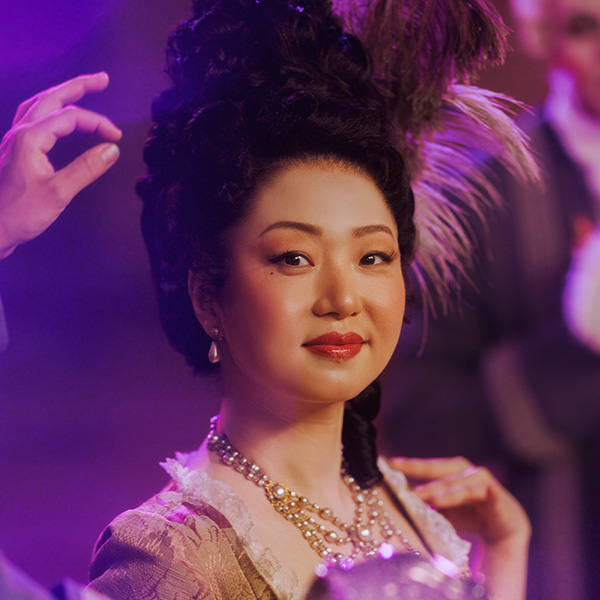
Don Pasquale returns to Lyric for the first time in more than a decade, for six performances November 12 through 27, 2026. Music Director Enrique Mazzola conducts this lively Glyndebourne production (which he conducted at its premiere and its subsequent revival) directed by Mariame Clément in her Lyric debut. Misha Kiria makes his Lyric debut in the title role, joined by Ying Fang as the irrepressible Norina, Alberto Robert in his Lyric debut as Ernesto, and Ryan Opera Center alumnus Ian Rucker as Dr. Malatesta.