August 11, 2026
What is Tech Week? The summer process that makes opera possible
Each summer, before a single artist steps into the rehearsal room, a different kind of performance takes over the Lyric Opera House. With the Foyer chandeliers dimmed and the marble floors freshly polished, directors, designers, and technicians from around the world stream through the stage doors. Truckloads of scenery and costumes arrive from storage facilities and opera companies across the globe. It’s the start of Tech Week: a series of technical rehearsals dedicated to preparing every production before singers, chorus, and supers ever set foot onstage. It’s one of the most important — and least visible — parts of bringing an opera to life.
Building a production from the ground up
Nearly every production receives about a week onstage during summer tech. Whether it’s a Lyric production returning from storage or a rental arriving from another company, the process begins the same way: unload the scenery, assemble the set, fly any overhead scenery into place, and begin evaluating every aspect of the production. The goal isn’t to rehearse the performers — it’s to rehearse the production itself.
During Tech Week, visiting directors, associate directors, and designers work alongside Lyric’s stage management, technical, lighting, wardrobe, wigs and makeup, armory, and props departments to determine what works, what needs adjustment, and what needs refurbishment before rehearsals begin.
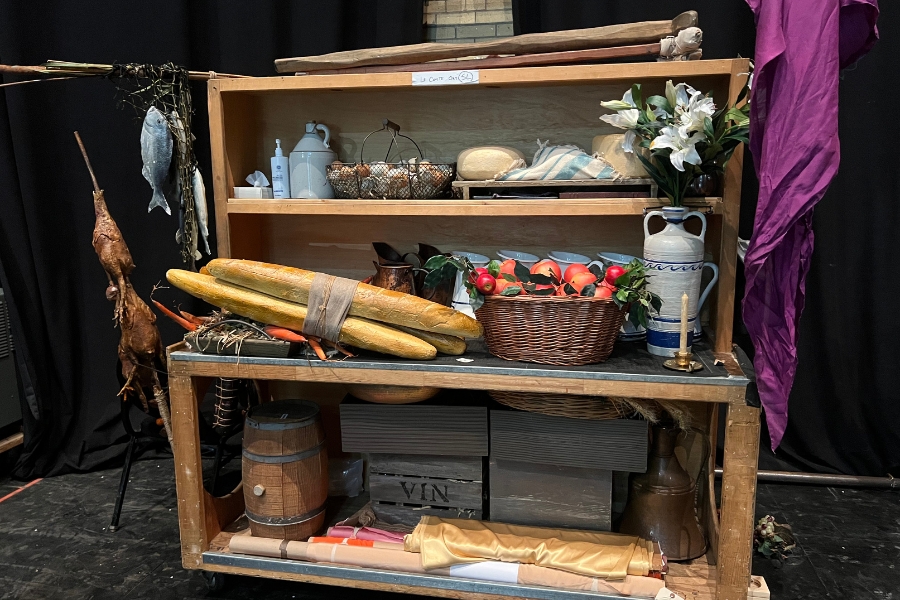
Every prop is unpacked and counted. Every paint scuff is documented. Loose floorboards, worn fabric, damaged scenery, and aging materials are noted. If a production has been on the road — or simply sitting in storage for several years — Tech Week is the opportunity to make sure it will look just as good during its next performance as it did during its premiere. As Associate Technical Director Benji McCormick puts it, summer tech is the time to "bring in every production, build all the scenery, focus all the lights, go through every light cue, put all the props on stage, and see what modifications or updates need to be made."
Setting the stage — without the performers
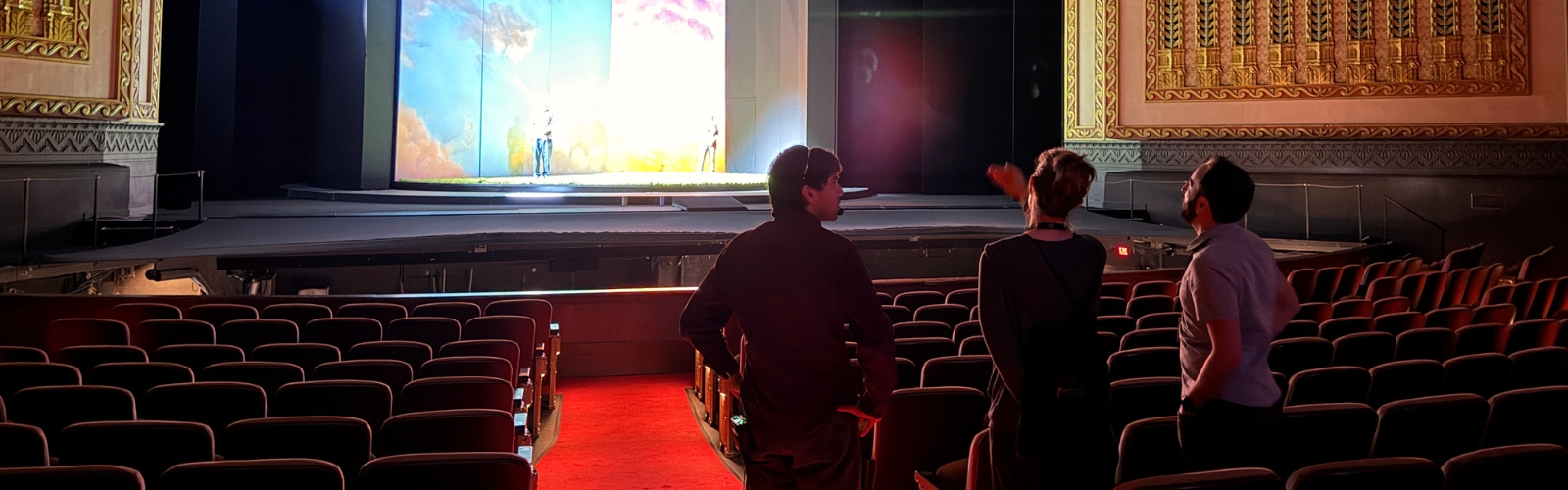
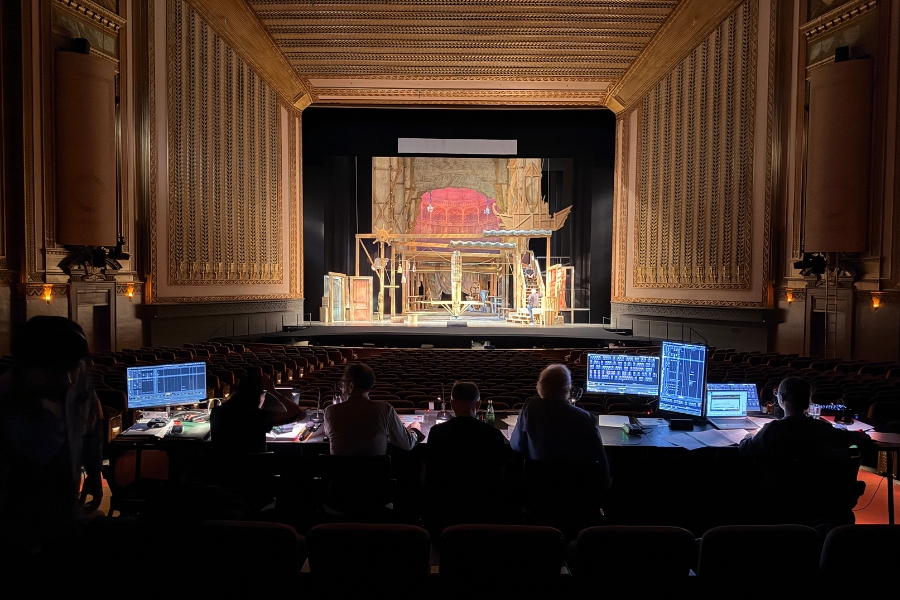
One of the biggest priorities during Tech Week is establishing a production’s lighting. Seated together halfway back in the theater, the director, lighting designer, and stage management team work through the opera cue by cue. Because the artists are not yet rehearsing onstage, Lyric relies on light walkers — people who stand in for performers while lighting is adjusted. It can make for a long day.
Light walkers are encouraged to wear comfortable clothing because they may spend hours sitting, standing, leaning against scenery, or holding precise positions while electricians focus between 200 and 300 lights from overhead and throughout the auditorium. Although spotlights will ultimately be refined once principal artists, chorus, and supers are present, these initial lighting sessions allow every cue to be programmed into the light board well before rehearsals begin. That preparation is invaluable once the cast arrives.
Lyric performs productions in repertory, meaning rehearsal time onstage is limited. By completing the technical work months in advance, the creative team can spend those precious rehearsal days working with performers instead of stopping to solve technical issues. As McCormick explains, "We want to give the director and all the performers everything that they deserve onstage, a finished product, so that tech isn’t the reason we’re stopping."
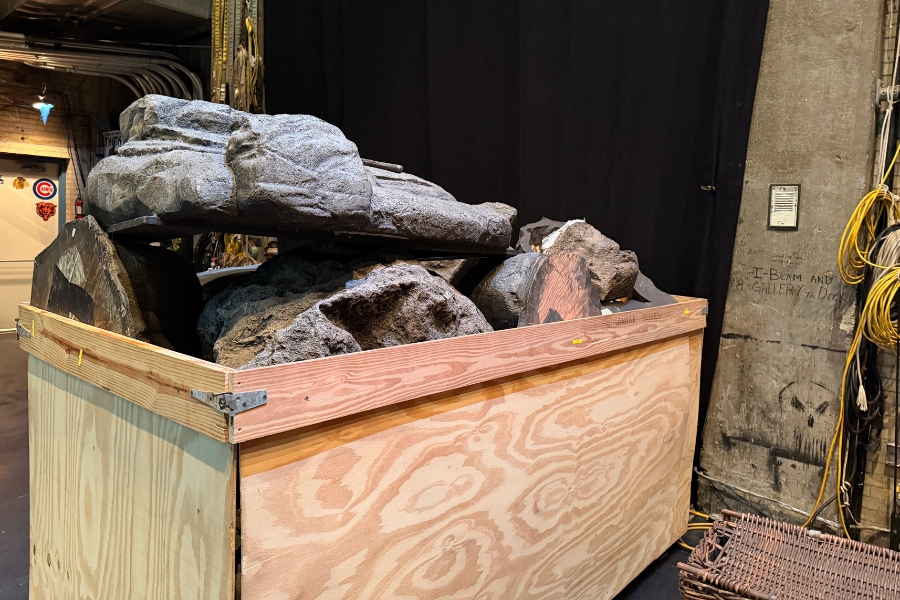
Preparing for rehearsals
Tech Week also determines what performers will need once rehearsals begin. If an opera features a raked stage, rehearsal rooms are equipped with matching platforms so artists can safely learn to move on an incline. If a production requires a sail to be hoisted, a turntable, or another major scenic element that's essential to staging, the technical team works to recreate those elements in rehearsal whenever possible. The objective is simple: allow performers to rehearse under conditions that closely resemble the finished production long before opening night.
Productions that travel the world
Not every production begins in Chicago. While many Lyric productions are stored at the company's warehouse on Chicago's South Side, others spend years traveling between opera companies around the world.
This season, Don Pasquale arrives from the Glyndebourne Festival in East Sussex, England, where the production premiered. Its design revolves around an onstage turntable that rotates between four separate scenes during the performance. During Tech Week, the creative team carefully times each scenic transition, adjusting the turntable's speed so scenery moves seamlessly while performers enter and exit the stage in motion. Scheduling productions like these requires months of coordination.
Immediately after summer tech concludes for La traviata, the production heads directly to Toronto to open the Canadian Opera Company's 2026/27 season before eventually returning to Lyric later in the year. Coordinating those schedules means balancing the needs of multiple opera companies while also accounting for international shipping, customs inspections, and transportation logistics. A single delay can have significant consequences. Detailed shipping inventories identify every scenic piece, its dimensions, materials, and country of origin to help avoid customs delays that could otherwise disrupt carefully planned production schedules.
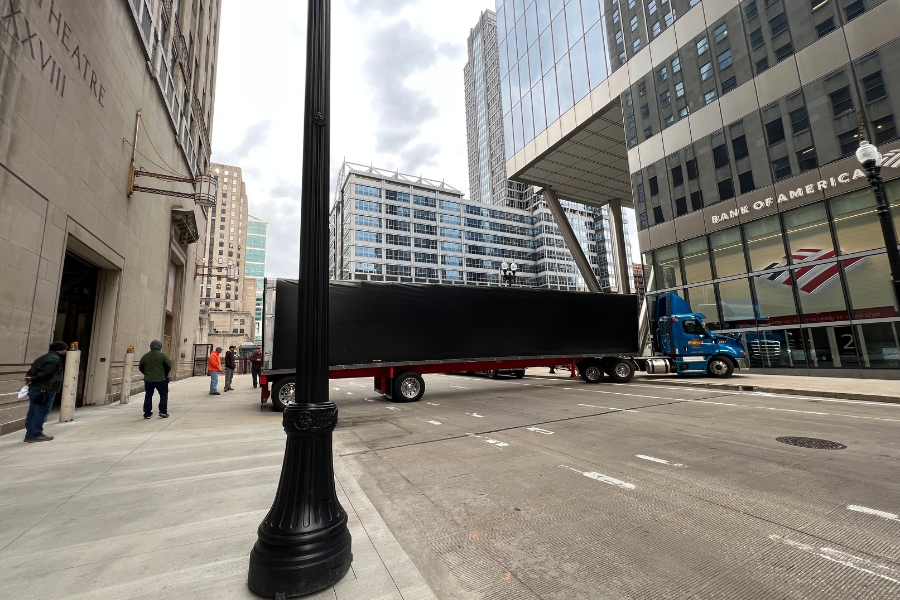
A warehouse full of opera
Moving an opera isn't as simple as loading a truck. Lyric stores its productions inside approximately 400 40-foot shipping containers at its South Side warehouse. About 90 percent of those containers hold scenery and props, while costumes are stored separately in a climate-controlled facility.
Older productions may require only three to five shipping containers. Newer productions can fill as many as fourteen. Those same containers travel by truck, rail, and sea as productions move between companies around the world. When they arrive back at the opera house, they are unloaded using Lyric's specialized truck lift, which raises shipping containers directly to stage level, allowing scenery to move efficiently into the theater.
Every production is different
Returning productions often benefit from experience. When La traviata returns to Lyric for its third engagement, much of the crew will already know how to assemble the scenery, and many lighting cues will require only minor adjustments. But familiarity doesn't eliminate the work. Productions continue to age as they travel. Paint fades. Scenic materials wear out. Fabric stretches. Props break or disappear. Sometimes a director wants to revisit an earlier artistic choice or make improvements based on previous performances.
In the case of La traviata, the fabric covering one large scenic wall has reached the end of its usable life and will need to be completely replaced before the production returns to the stage. Other productions may require new props, replacement scenery, or significant refurbishment after years in storage. Some repairs can be completed during Tech Week. Others become detailed work lists that are tackled throughout the season, with scenery returning to the shop when scheduling allows. The goal is always the same: ensure audiences never notice the passage of time.
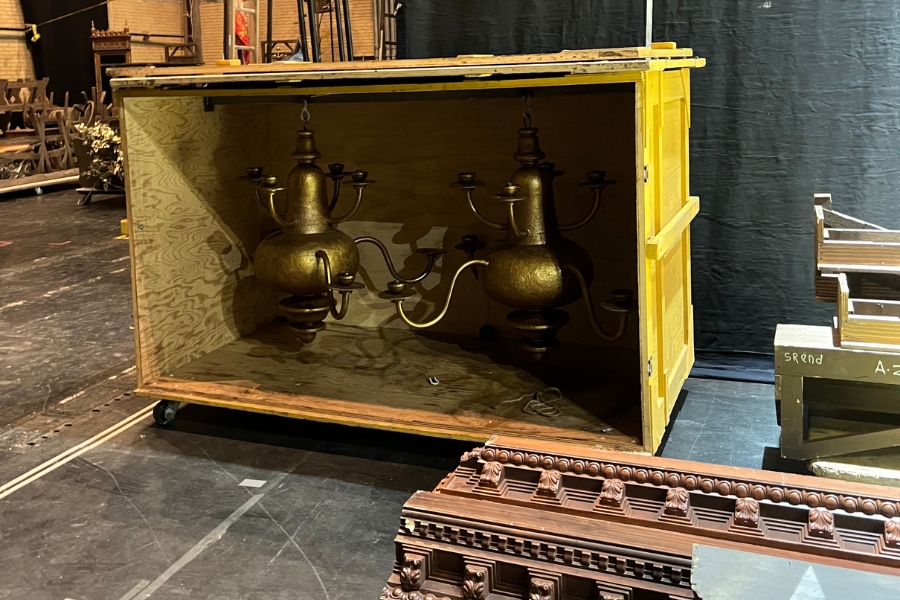
The work audiences never see
Despite the scale of the operation, the atmosphere during Tech Week is often surprisingly calm. Days are spent methodically working through lighting cues, documenting notes, and solving problems one scene at a time. Meanwhile, on the other side of the stage, crews may already be assembling the next production, waiting for its turn onstage.
It's careful, deliberate work — but it's also what makes everything that follows possible. By the time artists arrive for rehearsals, thousands of technical decisions have already been made. Lights have been focused. Scenery has been assembled and inspected. Props have been organized. Scenic shifts have been timed. Technical challenges have been solved long before opening night.
Tech Week is where opera begins — not with the music, but with the countless people working behind the scenes to ensure that every production looks as spectacular during its hundredth performance as it did during its very first.